
Sustainable Fashion in Canada – What the Labels Won’t Tell You
There’s a version of sustainable fashion that exists mostly online: curated flat lays, vague claims about “conscious collections,” and enough greenwashing to make your head spin. And then there’s the more practical question most people in Canada are trying to answer: how do you shop better, without spending hours researching every purchase?
We write about ethical fashion in Canada the way we’d want to read about it – without the sermon, without the brand promotions, and without pretending that sustainable clothing in Canada is simple or cheap or solved. It isn’t. But it’s more navigable than the noise suggests.
Here you’ll find guides on eco-friendly fashion across categories: sneakers, clothing, accessories, home textiles. Each one is built around what’s verifiable, what certifications mean in practice, and what questions are worth asking before you buy.
What Is Sustainable Fashion?
The term gets applied to everything from a brand that switched to recycled poly packaging to a company with full supply chain transparency and third-party audited wages. Those are not the same thing and treating them as equivalent is exactly how greenwashing works.
At its core, conscious fashion tries to address a few overlapping problems: the textile industry’s enormous water and chemical footprint, the carbon cost of global overproduction, and the chronic underpayment of garment workers.
The scale is worth sitting with for a moment: over 100 billion garments are produced every year – 12.5 pieces for every person on the planet. By 2030, global apparel consumption is projected to rise a further 63%, from 70 million to 105 million tonnes annually.
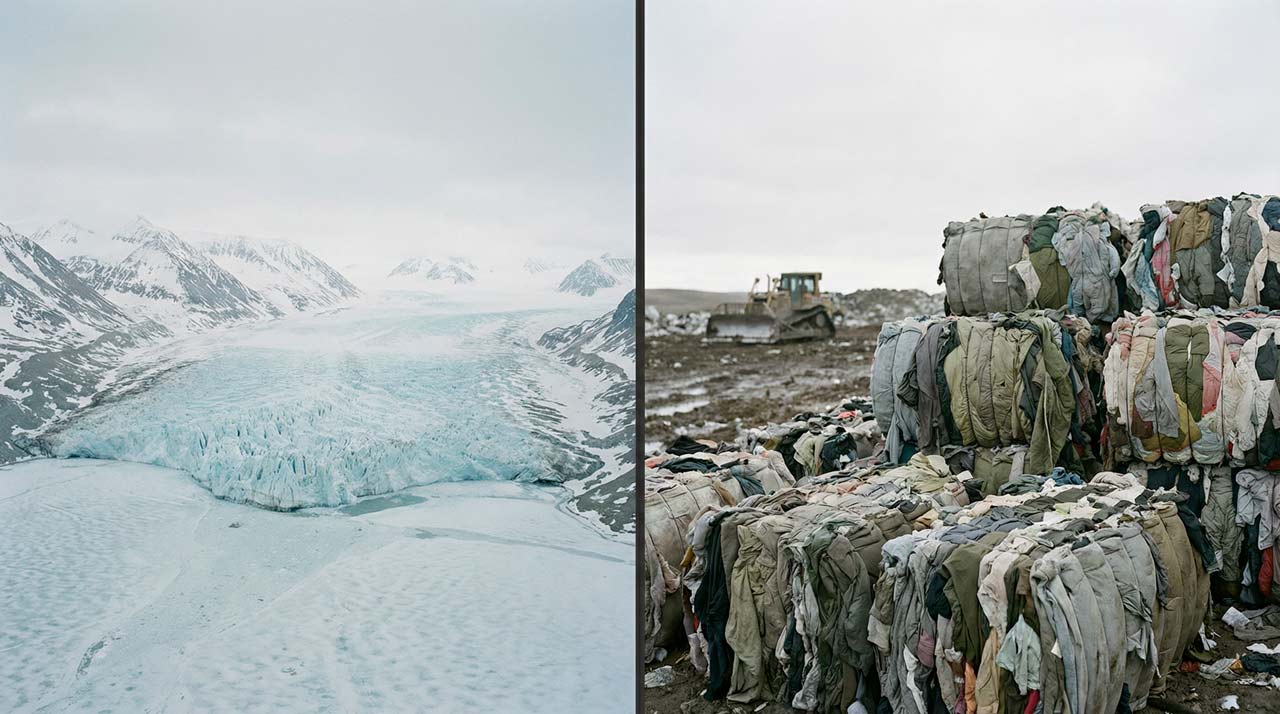
The industry now generates an estimated 92 million tonnes of textile waste every year – the equivalent of a garbage truck full of clothes reaching landfill every second, according to figures cited by the Apparel Impact Institute.
No single purchase fixes any of that. But the way money moves through the industry does shape what gets made.
The most legible signals of a brand doing the work: third-party certifications, published supplier lists, and a business model that isn’t built on seasonal churn. These aren’t guarantees, but they’re harder to fake than a swing tag.
Why Choose Ethical Clothing?
Shopping for sustainable clothing in Canada has specific weight to it that generic guides tend to gloss over.
As of 2026, several provinces are advancing extended producer responsibility legislation that would require brands to fund end-of-life textile collection. That regulatory shift is already changing how some companies approach the Canadian market. The domestic ethical fashion scene, particularly in Montréal, Toronto, and Vancouver, has grown alongside that pressure, with more locally made options at more accessible price points than five years ago.

“Bringing producers, brands and supply chain partners into the same conversations has strengthened alignment and helped move debates from theory to implementation. We intend to create more opportunities for this cross-system dialog in 2026.”
– Claire Bergkamp, CEO, Textile Exchange, 2025
The argument for choosing ethical clothing isn’t just environmental. Buying fewer, better-made pieces costs less over time, generates less waste, and tends to produce a wardrobe that’s easier to get dressed from. That calculus holds whether or not you care about the supply chain.
What ethical clothing isn’t: a premium product category available only to people with disposable income. Secondhand, clothing swaps, and rental platforms are part of this conversation, not as consolation prizes, but as legitimate and often better options.
How to Read Certifications Without a Decoder Ring
Certification | What it covers | What it doesn’t cover |
B Corp | Company-wide social and environmental performance | Product-level material claims |
OEKO-TEX Standard 100 | Fabric tested for harmful substances | Labour conditions |
GOTS | Organic fibre + processing + some labour standards | Finished product chemical testing |
Fair Trade Certified | Fair wages and labour conditions | Environmental impact of materials |
Bluesign | Chemical and resource use in manufacturing | Wages or labour practices |
A brand can be OEKO-TEX certified and still pay poverty wages. Fair Trade certified clothing might be made from conventional cotton. The point isn’t to rank these. It’s to help you understand what you’re actually looking at when you see a label.
Where to Go from Here
The guides here are organised by category rather than by brand. The goal is to give you the tools to evaluate any option yourself, not a curated shopping list that’s out of date the moment a brand changes its practices.
Sustainable Sneakers Guide → Footwear is where sustainability gets genuinely complicated. Shoes are made from up to 65 different materials, are rarely recyclable, and the vegan vs. leather debate has no clean answer. This is the guide for anyone who’s looked at an “eco” sneaker and wondered what that label is actually based on.
Ethical Clothing in Canada → The largest category, and the one with the most noise around it. The clothing guide works through fabric certifications, what OEKO-TEX and GOTS actually cover, and how to think about building a wardrobe that holds up – whether you’re looking for a little black dress, a linen maxi skirt, or everyday basics.
Shoe Size Conversion for Canadians → Most sustainable brands that ship to Canada use EU or UK sizing, which maps inconsistently onto North American standards. Before ordering from any international label, this chart will save you a return.
Eco-Friendly Home Products → The same fibre and chemical concerns that apply to clothing apply to towels, rugs, and throws. Most people don’t think about home textiles the same way they think about what they wear, but the certifications and questions are nearly identical.
Sustainable Accessories → Jewellery and bags have their own material and labour considerations, from recycled metals to plant-based leather alternatives.
newclassics.ca is an independent informational resource. We don’t sell products, accept sponsored content, or earn commissions from brands or retailers. Brands and certifications mentioned on this site are referenced for educational purposes only – inclusion does not constitute an endorsement.
Content reflects information available as of 2026. Legislation, certification standards, and industry data change frequently. Always verify current requirements with the relevant certification body or regulatory authority.